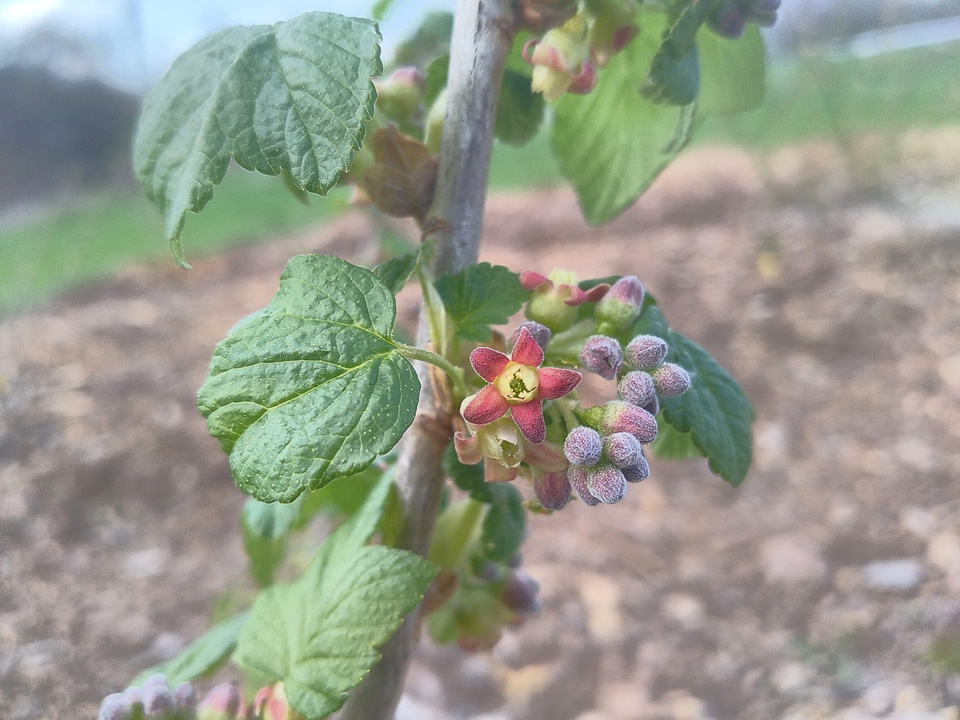
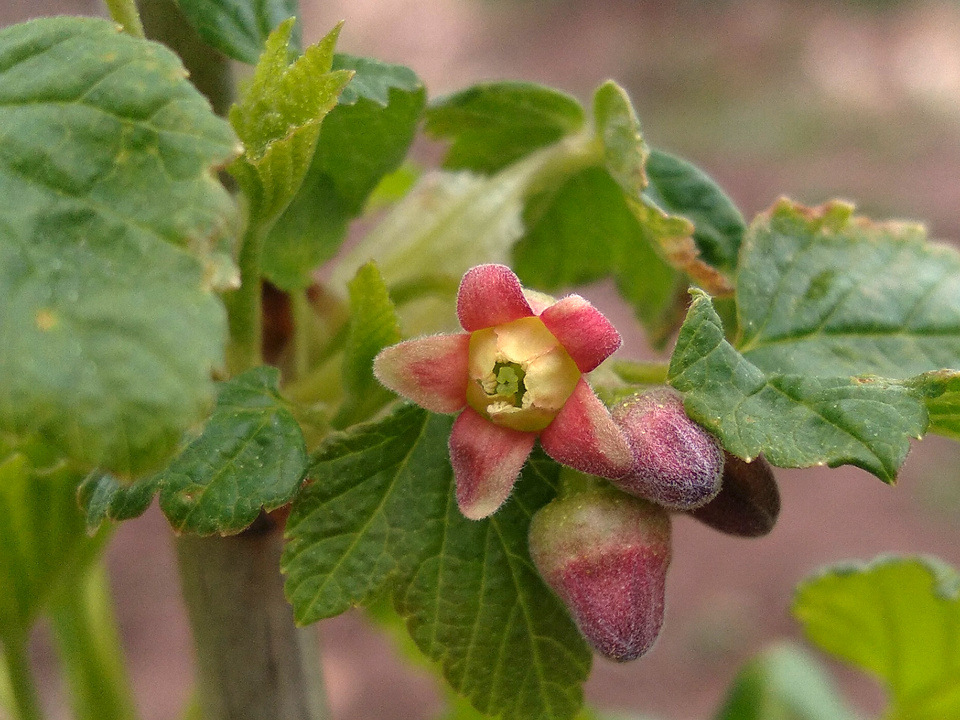
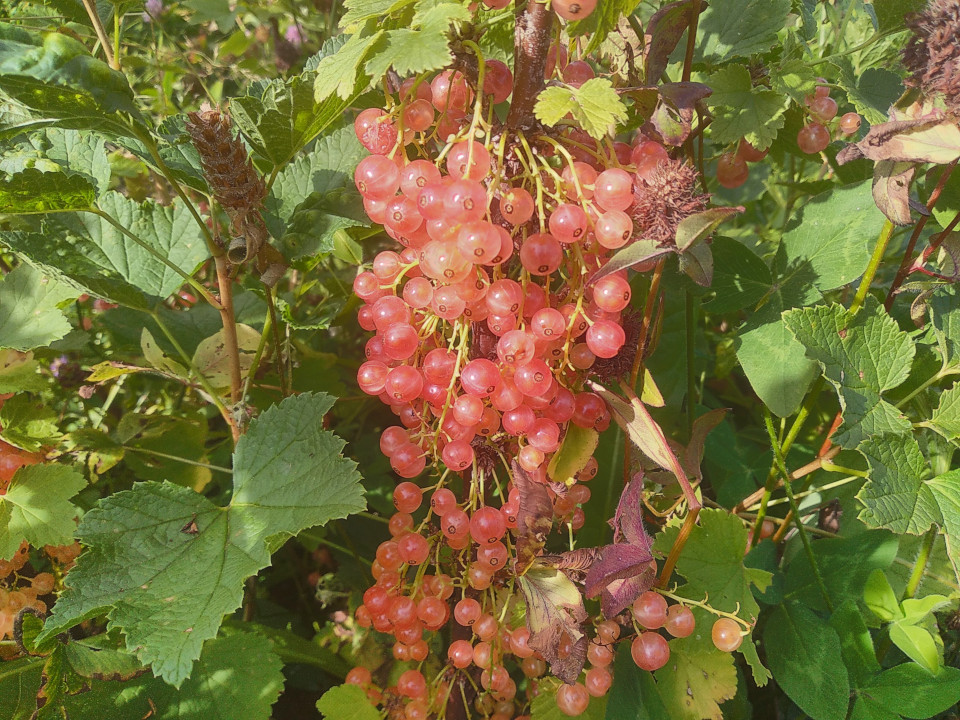
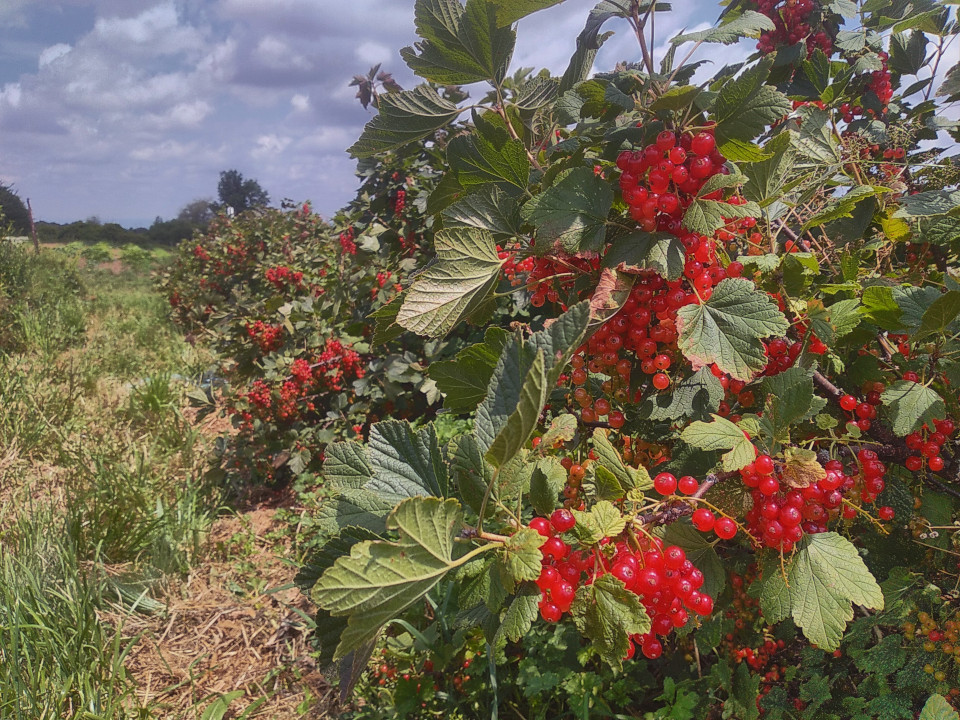
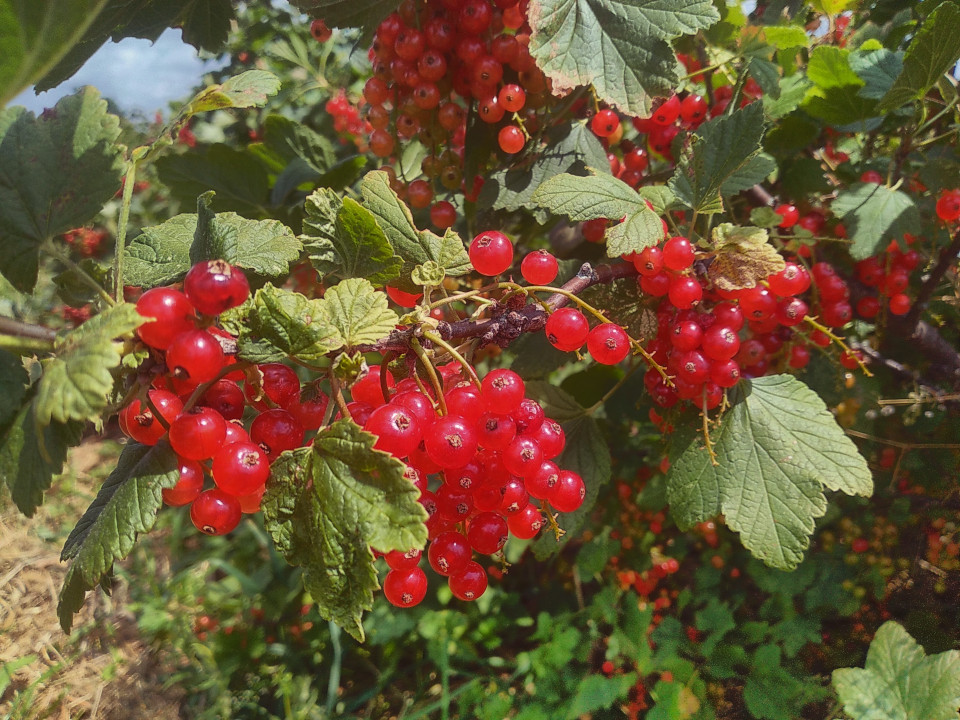
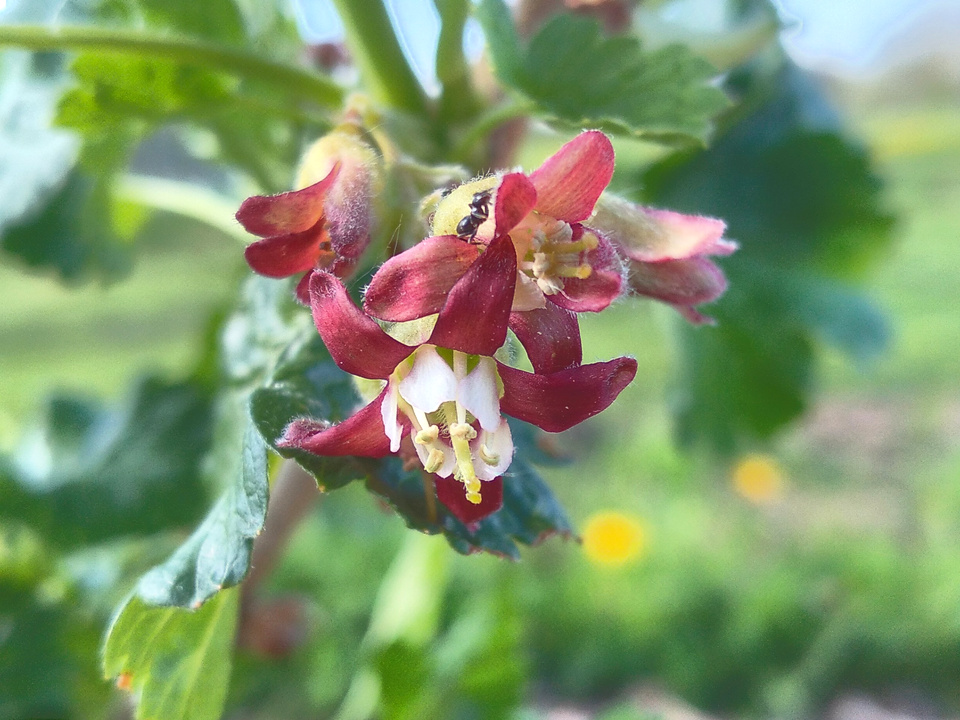
The Ribes group includes currants, gooseberries and their hybrids. They are all easy to propagate, grow, and care for. Ribes are a powerful ally, especially for northern growers and lovers of food forests.
Currants are often found living happily in the understories of larger shrubs and trees. They can be planted as guild companions with these larger plants, or in sunny production rows to maximize yields.
All the Ribes can be eaten fresh, dried, or used in sauces, jams, and jellies.
These Plants Grow Easily From Hardwood Cuttings
We have hardwood cuttings of these plants available so you can propagate your own plants! Hardwood cuttings are literally just first year branches cut from a mother tree.
It is often almost as easy to plant hardwood cuttings of willow, elderberry, currants, and poplars as it is to plant a rooted plant. It also allows you to get plants growing where digging a large hole may be too destructive, like near the roots of a large tree or on a slope that is too steep to dig without being highly erosive. It also allows you to get many, many plants going with minimal upfront work of digging many holes.
Check out this video for a detailed look at planting your hardwood cuttings.
We are offering single cuttings this year, so feel free to grab as many or as few as you’d like!
TO PURCHASE HARDWOOD CUTTINGS, HEAD OVER TO OUR NEW HARDWOOD CUTTING PAGE!
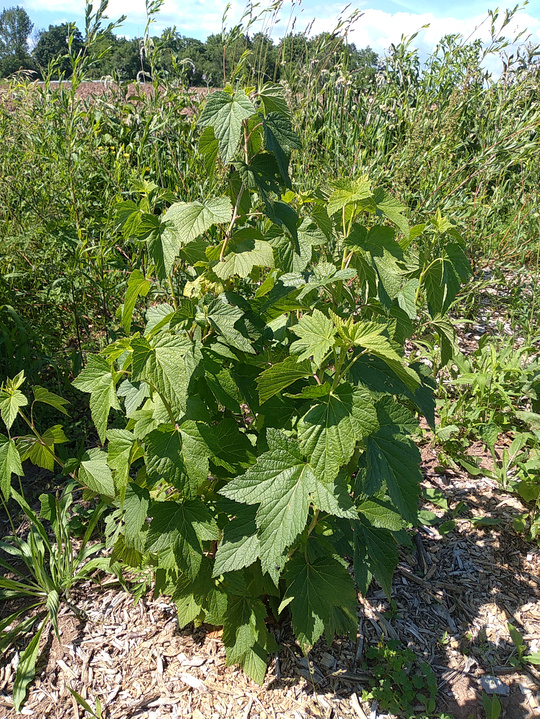
Growth Parameters: at maturity, expect a shrub about four to five feet tall and just as wide. Currants like a lot of nitrogen, so try to fertilize each year. Best to prune out stems older than three years. Best to plant two varieties for cross pollination, however many people report great production with just one bush.
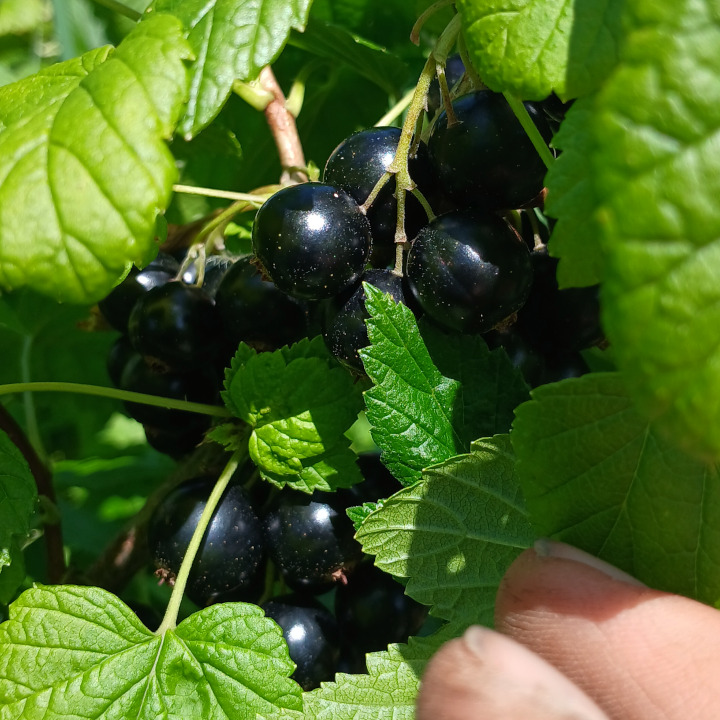
Black Currants – Great production, even in shadier places. Black currants are more popular in Europe, but American permaculturists are ushering them in quickly! They are very nutritious, rich in antioxidants. See the drop down menu for current varieties available.
Our library of black currants continues to grow; it’s gone far passed being practical, but I want to grow every black currant variety I can because I love the smell so much. If you don’t have much experience, just choose whichever variety sounds best to you, as these are all solid choices. Most of these you can find more detailed info elsewhere online.
- Ben Henry – a selected seedling from Edible Acres, a great choice for shadier sites
- Ben Sarek – my personal favorite black currant for flavor, sweet and mild (for a black currant). large fruit size. early ripening.
- Chernaya – vigorous grower, mid to late season ripening. Nice fruity taste. Old school Russian variety.
- Consort – old variety, medium sized fruit with sweet, tart, and musky flavor all in one.
- Freedom – highly productive in every way, growth rate, berry size, and great flavor.
- Minaj – a classic black currant variety with enjoyable, mild flavor
- Otelo – a heavy bearing , mid-season Slovakian variety with rich flavor.
- Risager – Netherlands variety with high yields and good disease resistance. Early ripening.
- Titania – very productive staple variety with good flavor
- Tiben – solid mid-sized fruit with nice sweetness from Poland. Cross of Titania and Ben Nevis
Red and Pink Currants – Best production certainly happens in full sun, but some shade can certainly be tolerated. Sweet and tart flavors, great for jams and jellies.
All these varieties are heavy producers given lots of sun, fertility, and regular pruning.
- Gloire De Sabons Pink – a sweet French variety
- Red Jade – very good flavor with just a hint of tartness. Good for fresh eating or preserves.
- Red Lake – quite a sweet red currant.
- Pink Champagne – very sweet, delicious fresh eating.
White Currants – Our experience with white currants is still limited, as they need a lot more care and attention than black currants. Do your best to weed and mulch them, and get them fertility and water, especially early on.
- Russian White – outside the normal breeding and commercial cultivars, folk cultivars exist among many people of Russian and Eastern European descent. This is one of those varieties. Small white lemony fruit.
Gooseberries – Popular in Russian, Ukraine, and Eastern Europe, this ribes member is quite thorny! Best picking happens when thorny branches have been thinned out with pruning so you can reach your hands in easily! These have a bit more of a sour taste with a little bit of a crunch!
Hinnonmaki Red – ruby red fruits that are sweet with a bit of tart skin. I love to eat these fresh, but many will like to process them into pies and jams. A great all around gooseberry if you only have one.
Jostaberry – A popular cross of black currants and gooseberries! A more mild taste which is not as tart as the red and pink currants. Mild, sweet flavor.