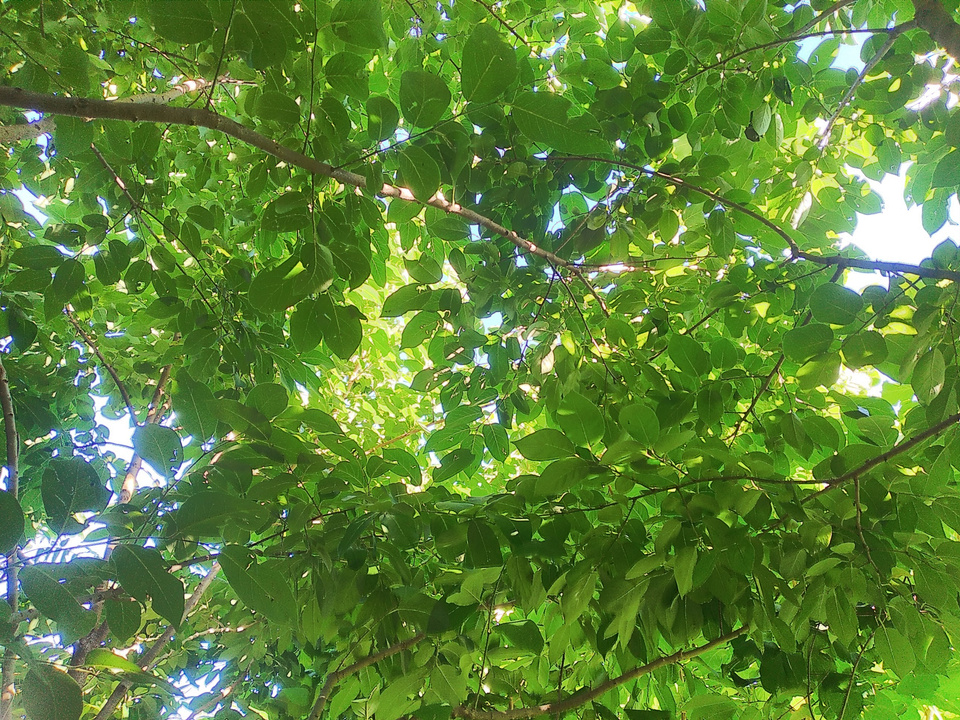
First to clarify: the persimmon fruit seen in Asian grocery stores is the from the Asian persimmon, Diospyros kaki. This species of persimmon is not cold-hardy enough for us (at least here in zone 5 Central New York).
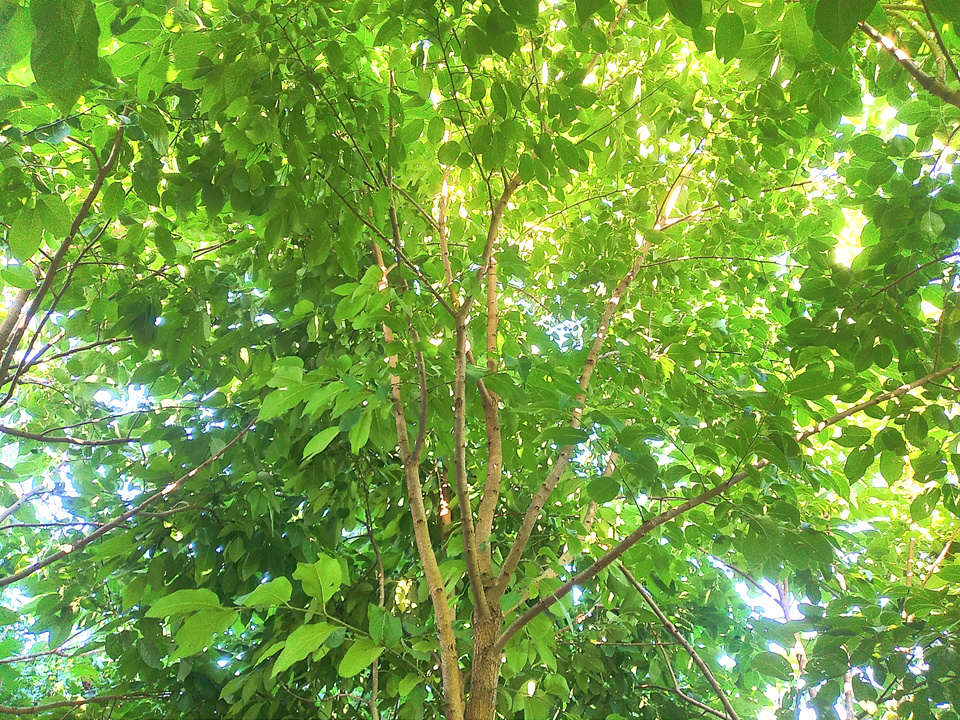
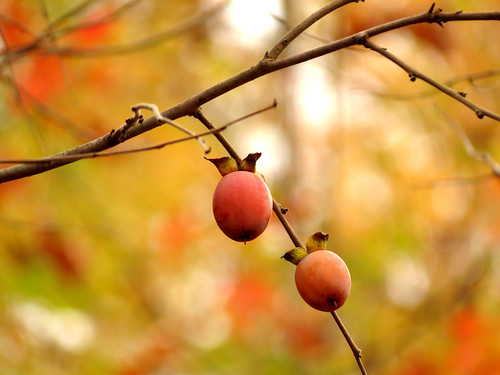
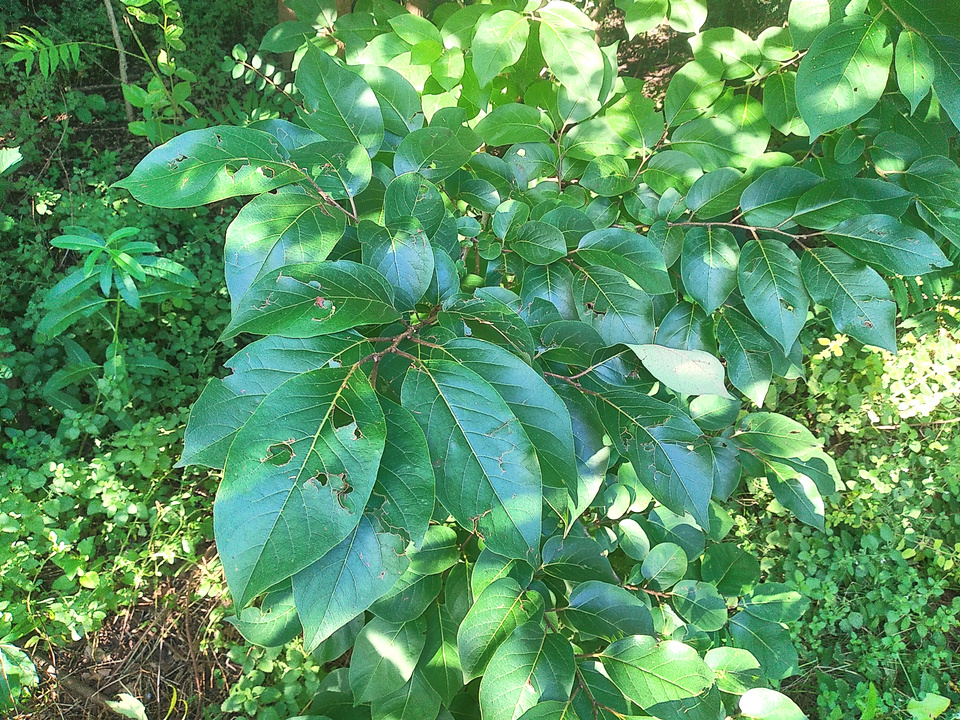
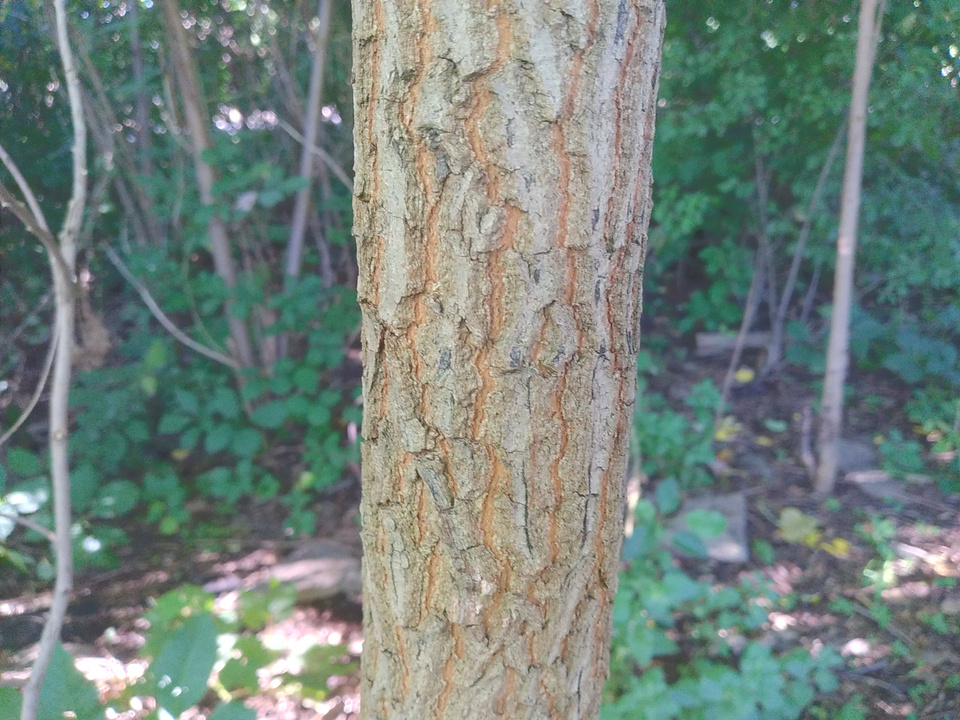
The species we are working with is the American persimmon, Diospyros virginiana , and it has a lot to offer!
First of all, the fruit is so unusual! It is usually ripe AFTER frosts, when the skin of the fruit has started to wrinkle. This makes a perfectly ripe persimmon fruit look…pretty wild! But amazingly the sweetness of the fruits will only continue to increase as the cold weather progresses, with a sugar content that eventually rivals the sweetness of maple syrup!
Ecologically, persimmons grow in similar conditions to ash. If you have ash trees on your property, consider placing a persimmon nearby. Like ash, the wood is highly valuable, however the wood of persimmon is in the ebony family, so it is very hard with very high BTUs.
We have a number of seedling persimmons available this year. These seedlings come from great genetics in long established cold-hardy plantings in New York State and Indiana. (see the drop downs above for descriptions).
What Are Seedlings?
Seedlings are plants that have been grown directly from a seed. They are genetic individuals whose traits that are not exactly known. Seedlings are in contrast with plants which have been cloned, as cloned plants are sure to have certain characteristics.
Often seedlings share characteristics with their parents, but exactly how much is shared depends on the species of plant. Having good parents certainly doesn’t hurt!
Sex and Seedlings
This species has seedlings which are either male or female (the botanical term is dioecious, remember di = 2, meaning you need two plants to get male and female).
Dioecious plants are in contrast to seedlings which have both male and female anatomy (the botanical term is monoecious, remember mon = 1, meaning you need one plant to get male and female).
With persimmons, both a male and female tree are required to get fruit from cross-pollination. We recommend planting at least three seedlings to have a good chance of getting a female, fruit bearing tree.
However, keep in mind that both male and female trees can be grafted over to known varieties later if desired. So far, we’ve had great success with wedge grafts, and look forward to trying bud grafts in the future. However, keep some male parts of the trees to allow for the production of viable seeds, which can be planted to further genetic diversity and breed new varieties.
Growth Parameters:
Typically you can expect persimmons to become mid sized trees at maturity, roughly 20 to 30 feet. However, in more southern zones, much more substantial growth may take place, so be prepared!
Persimmons can certainly be planted in shady areas and grow well, waiting for their chance to spring up into the canopy. Like most fruit though, more sun means faster growth and more productivity with fruiting.
These trees are also very tolerant of black walnut! Enjoy the opportunity to diversify your plantings near those highly influential trees.